Home/Gallery

Gallery

Moments That Matter

A glimpse into life at HTCO — our events, milestones and the people who make it possible.

Our Community

Life at HTCO

The youth, families and advocates who come together to build a safer, more just Toronto.

Featured

Celebrating our community

HTCO has been a cornerstone of the Jane-Finch and Sheppard communities for decades. These moments capture the spirit of togetherness, resilience and hope that define who we are.

Our Namesake

Harriet Tubman: Life & Legacy

Born into slavery, Harriet Tubman freed herself and then returned again and again to lead others to freedom. Her courage, faith and leadership inspire everything we do at HTCO.

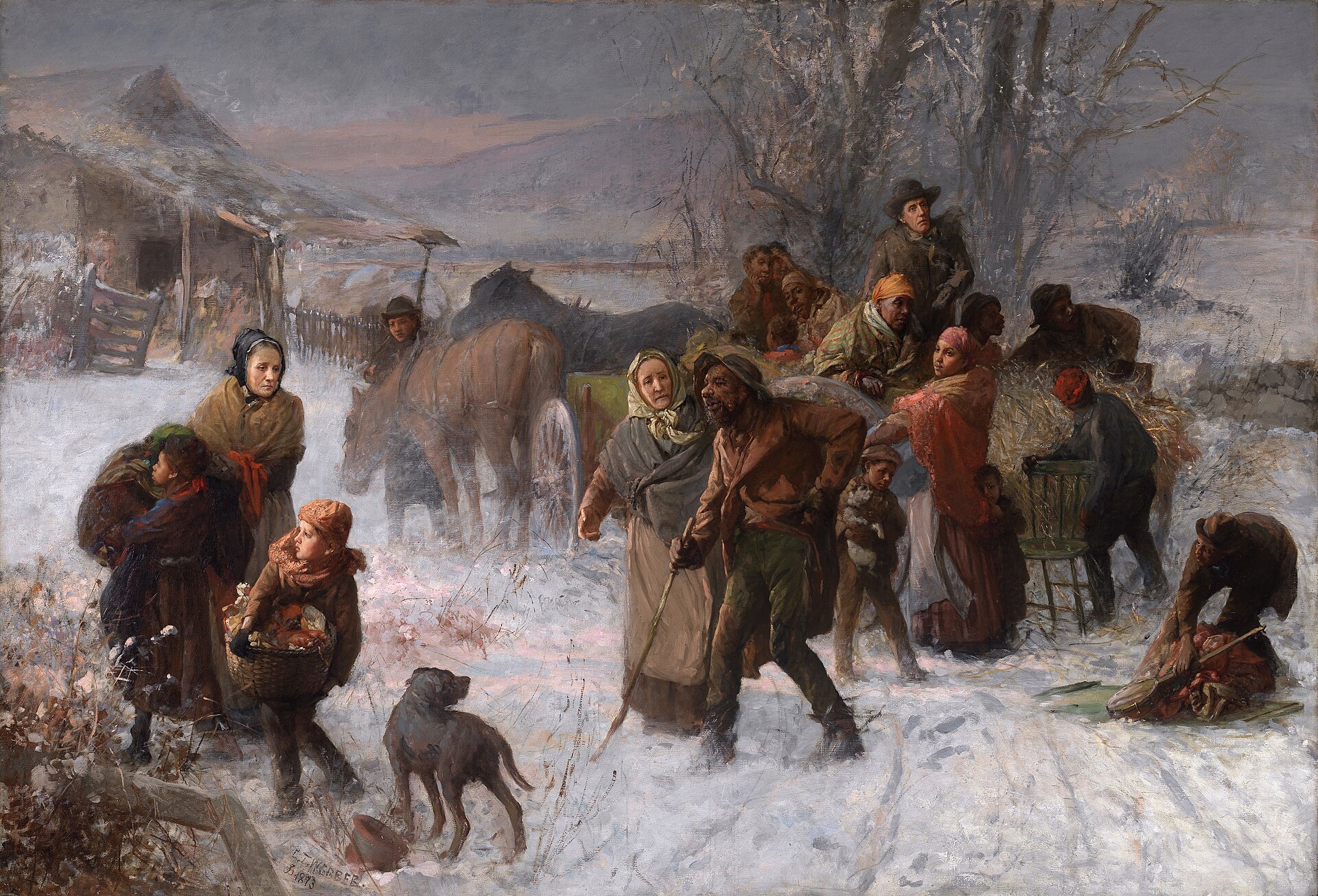
The Underground Railroad, painting by Charles T. Webber, 1893

The Underground Railroad

A network of courage and community

Freedom seekers travelled north in secret, helped by a network of safe houses and allies. Many found freedom in Canada, including in Ontario.

Charles T. Webber, The Underground Railroad, 1893
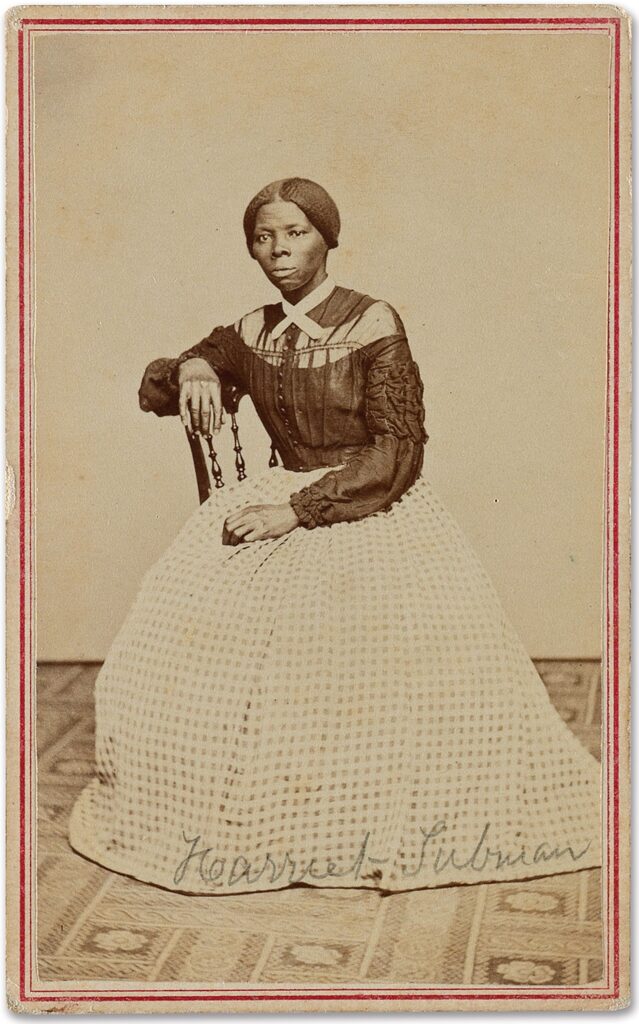
Harriet Tubman, c. 1868–69c. 1868+
Early portraitPhotograph by Benjamin F. Powelson
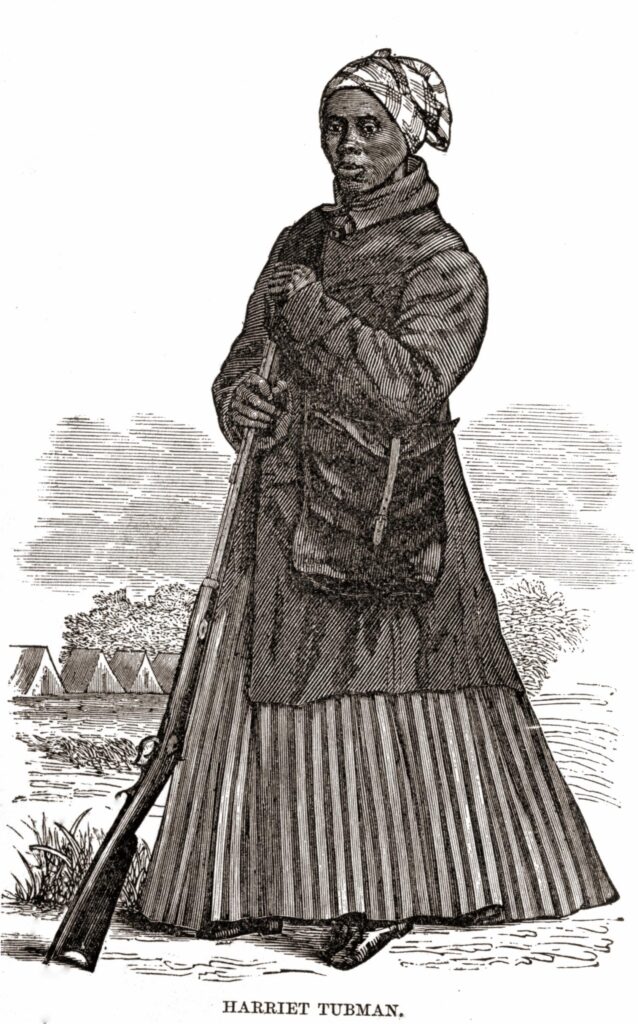
Woodcut of Harriet Tubman as a Civil War scout1860s+
Civil War scoutWoodcut, Scenes in the Life of Harriet Tubman, 1869
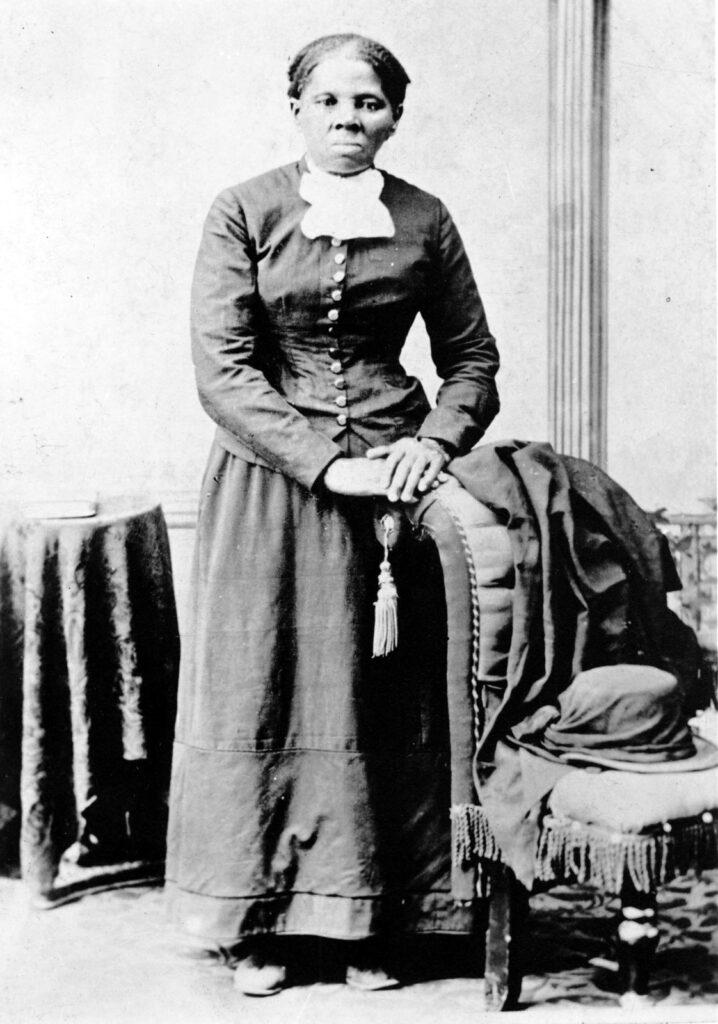
Harriet Tubman, c. 1871–761870s+
Life in AuburnPortrait, c. 1871–76
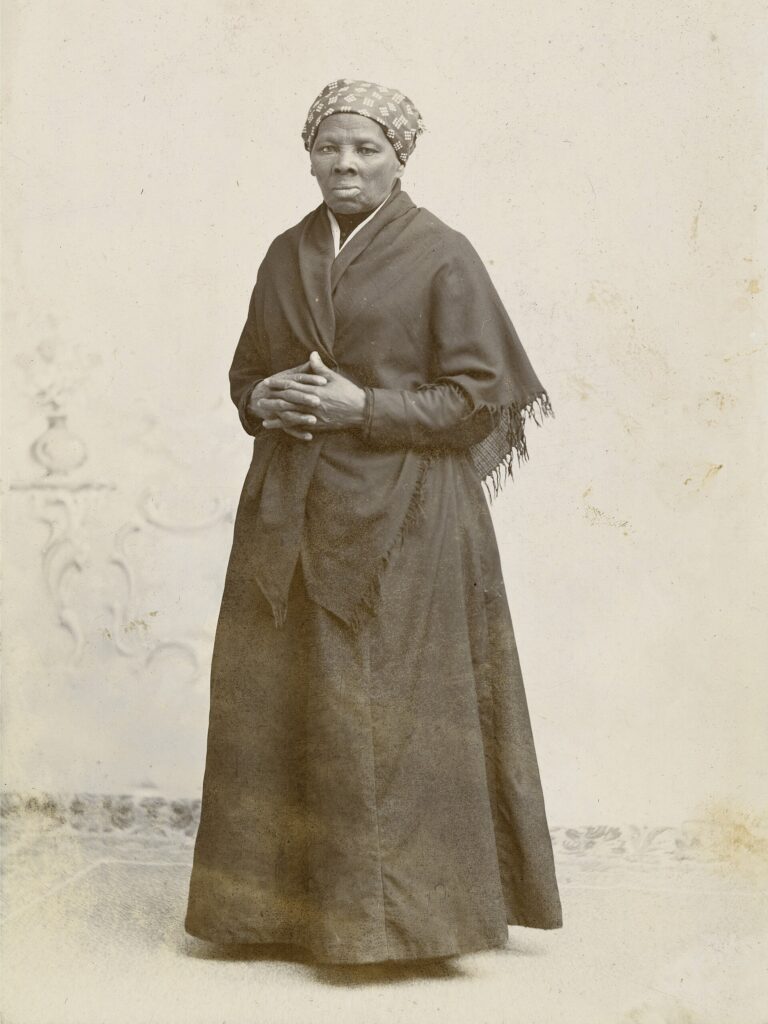
Harriet Tubman, c. 1885c. 1885+
The iconic portraitPhotograph by H. Seymour Squyer
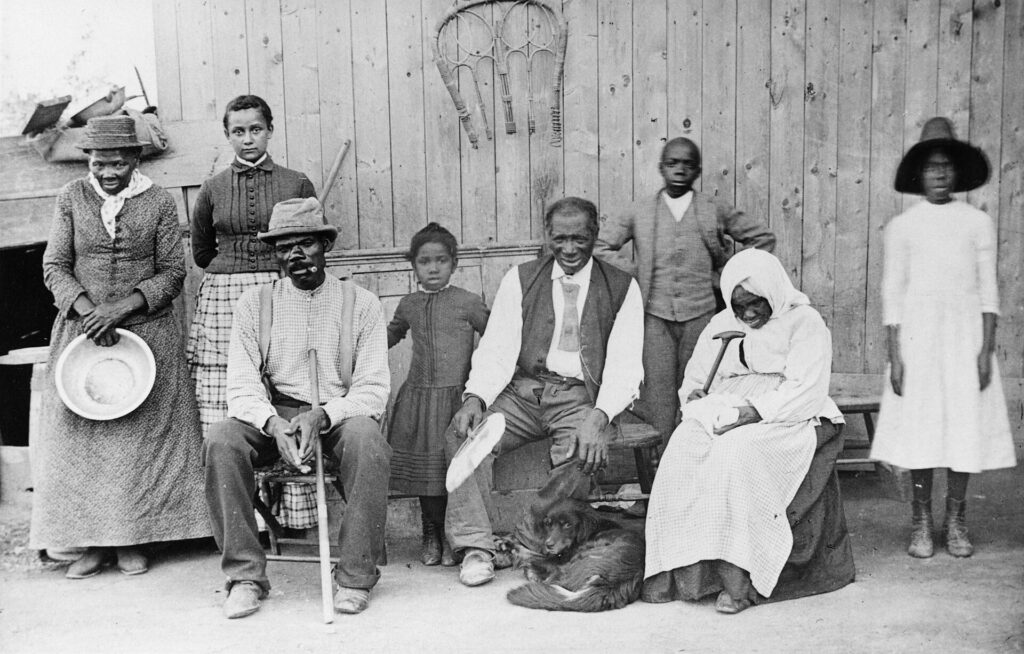
Harriet Tubman with family and neighbours, c. 1887c. 1887+
Family & communityWith family and neighbours in Auburn, New York
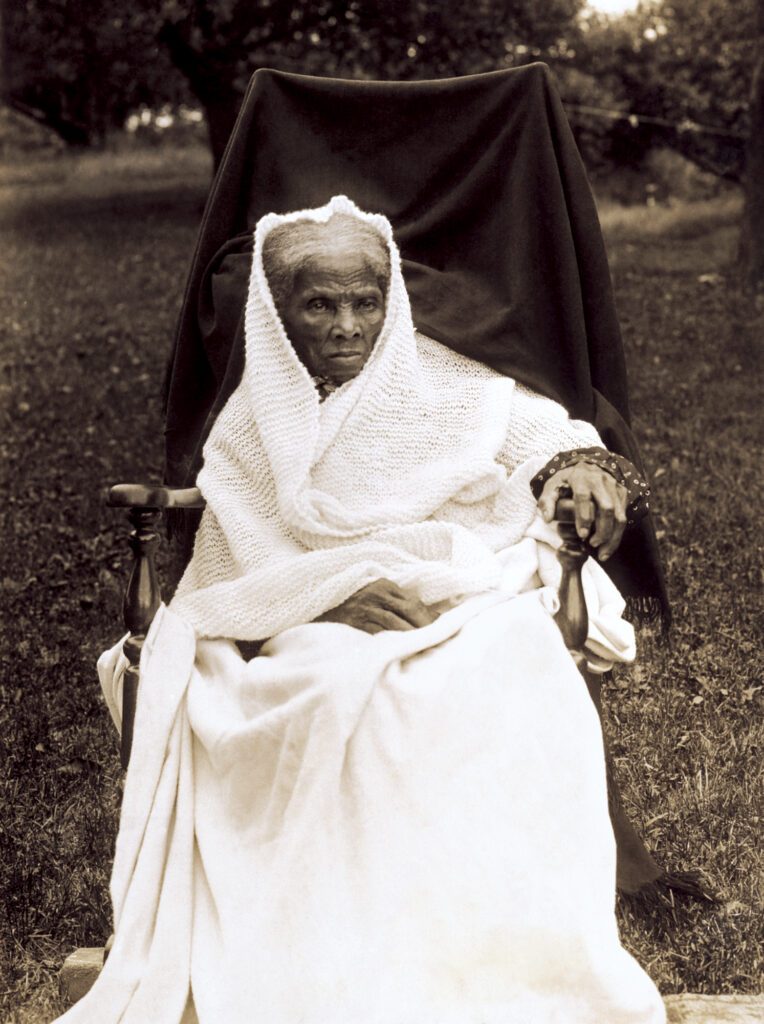
Harriet Tubman in 19111911+
Later yearsTwo years before her passing in 1913

Her Journey

A brief history of Harriet Tubman

From enslavement in Maryland to freedom, war, and a lifetime of service.

c. 1822

Born into slavery

Born Araminta “Minty” Ross in Dorchester County, Maryland. As a child she was hired out and suffered a severe head injury that affected her for life.

1849

Escape to freedom

She escaped to Philadelphia, travelling about 90 miles on foot, and began using the name Harriet Tubman.

1850–1860

“Moses” of her people

She returned to Maryland about 13 times, guiding roughly 70 people, including family members, to freedom on the Underground Railroad. She later said she never lost a passenger.

1850s

A Canadian connection

After the Fugitive Slave Act of 1850, she led freedom seekers all the way to Canada and lived in St. Catharines, Ontario, for several years, where she worshipped at the Salem Chapel.

1861–1865

Civil War service

She served the Union Army as a cook, nurse, scout and spy. In June 1863 she helped lead the Combahee River Raid in South Carolina, which freed more than 700 enslaved people.

Later life

Advocate & community builder

From her home in Auburn, New York, she cared for family and elders, supported women’s suffrage, and opened the Harriet Tubman Home for the Aged.

1913

Her legacy lives on

Harriet Tubman died on March 10, 1913, in Auburn. Her life remains a symbol of courage, faith and freedom around the world.

Htco Mark Maroon

Carrying her legacy forward since 1972

Harriet Tubman Community Organization honours her spirit by building a “railroad” network of support for Black youth and families in Toronto.

Historical images are in the public domain, courtesy of Wikimedia Commons, the Library of Congress and the National Portrait Gallery.

Get involved with HTCO

Want to volunteer, partner, or learn more about our programs? We’d love to connect.

Scroll to Top